
Executive Dysfunction vs. Laziness: The Definitive Guide for Adults
Stop calling yourself lazy. For adults with ADHD, the inability to start tasks is executive dysfunction, a neurological reality. This guide explains why and what to do about it.

ADHD in the Modern Workplace: Navigating Sensory Needs and Inclusion
The open-office plan wasn't built for "Busy Brains." Here is how to navigate sensory overload and advocate for the workplace accommodations you actually need.

Why Task Activation is So Hard: 7 Science-Backed Strategies for ADHD
It's not laziness, it's executive dysfunction. Here is the science of why your brain won't let you start "the thing," and how to hack your way out of paralysis.
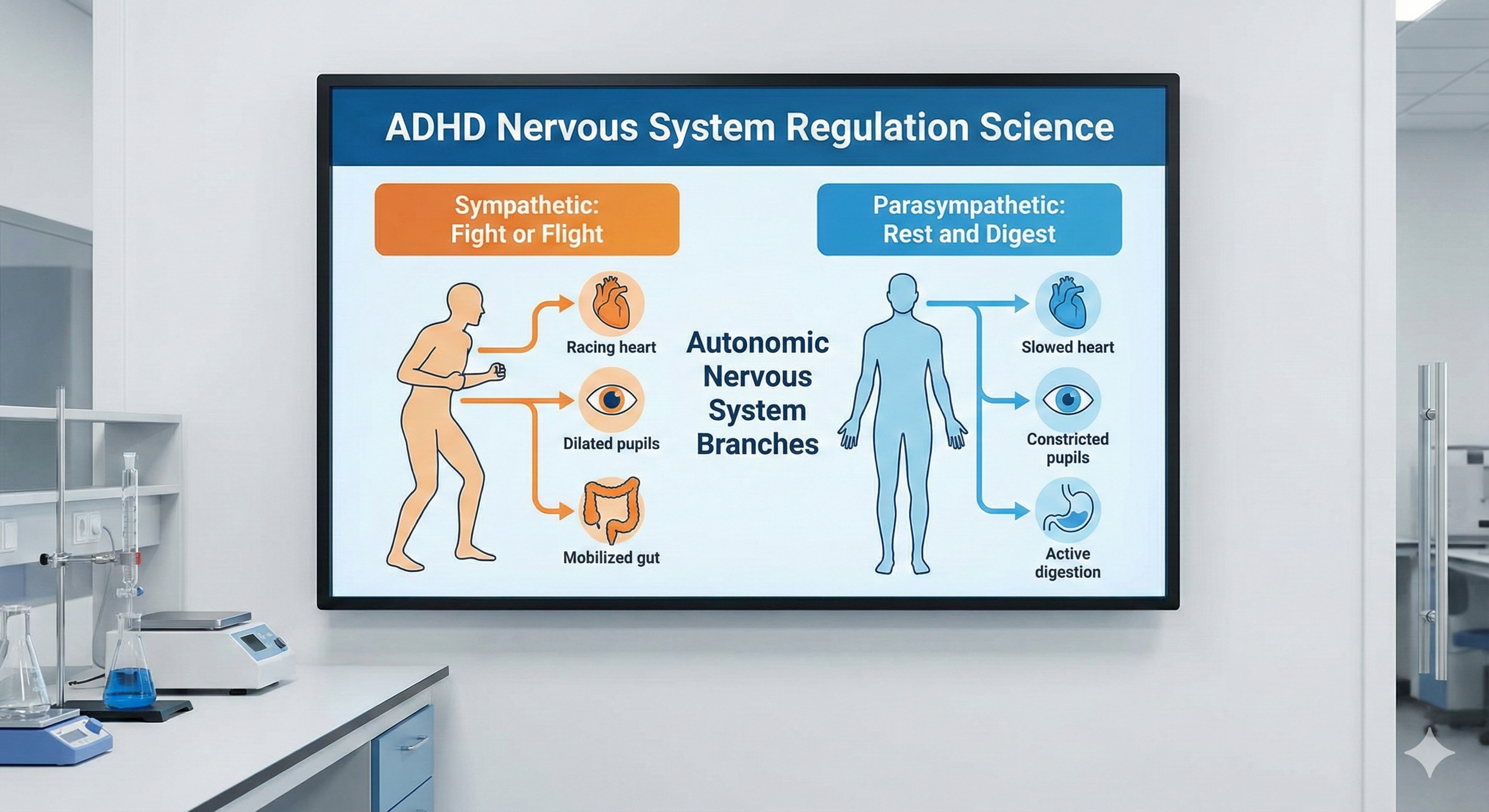
The Science of ADHD Nervous System Regulation: Moving Beyond Anxiety
Ever feel like your body is vibrating for no reason? It’s likely not anxiety, it’s a dysregulated ADHD nervous system. Here is how to fix it.

The ADHD Burnout Cycle: How to Recover When Your Battery is at 0% mini
When your "Go" button breaks, it's not a lack of willpower—it's ADHD burnout. Discover the science of the shutdown and how to actually recover.

Navigating ADHD in the Workplace: Strategies for Success and Support
Discover how to navigate ADHD in the workplace. Learn about executive functions, Irish legal rights for reasonable adjustments, and the NICE framework for support. Post Excerpt: Managing ADHD at work requires more than just focus. Explore the legal rights, hidden strengths, and practical strategies—from "body doubling" to sensory adjustments—that empower neurodivergent employees to thrive.

How to Build a 2026 ADHD Reset Routine That Actually Sticks
Why do most New Year's resolutions fail for ADHD brains? Because they're built for people who don't have "busy brains." Here is how to build a reset that actually sticks.

ADHD and Girls
ADHD doesn't always look the same in girls as it does in boys. While boys are more likely to exhibit external, hyperactive, and impulsive behaviors like being disruptive or running, girls often present with inattentive or internalized symptoms. This often leads to a delayed diagnosis, with the average age for a female to be diagnosed being 35.
The Comprehensive Guide to Artificial Intelligence: Ethics, Safety, and Practical Use for Executive Function
Artificial Intelligence is no longer just a futuristic concept; for many, it has become an essential 'external brain' for navigating daily life. From breaking down overwhelming projects into manageable steps to serving as a non-judgmental thought partner, AI offers revolutionary support for those facing executive function challenges.
However, this power comes with a complex set of rules. As we integrate these tools into our professional and academic lives, the line between 'productivity hack' and 'ethical breach' can become dangerously thin. In this guide, we explore how to responsibly harness the strengths of AI, including the new frontier of custom AI agents while protecting your data privacy, your career, and your academic integrity.

ADHD and AI in the Irish Classroom
For the estimated 1 in 20 people with ADHD in Ireland, the battle against executive function challenges—planning, starting tasks, and staying organized—is real.
The breakthrough? Artificial Intelligence (AI).
AI isn't here to replace you; it's here to serve as the external brain your students (and you!) need. From generating a bullet-point outline to conquer Task Initiation to synthesizing a week of parental emails in two minutes, AI is the most powerful tool we have for creating structure and focus.

ADHD and Behaviour.
When a student struggles with focus or emotional regulation, it is often labeled as 'bad behavior.' But what if we looked deeper? At the heart of ADHD are challenges with the eight core Executive Functions—the cognitive skills that regulate every action we take. This post explores how to move beyond labels like 'lazy' or 'distracted' to implement high-impact, low-effort strategies that transform the classroom into an environment where neurodivergent students don't just survive, but truly thrive.

Strength Based Approach
For years, conversations about ADHD have focused solely on deficits—what's "wrong" or what needs to be "fixed." It’s time to shift your perspective. A strengths-based approach to ADHD views neurodivergence not as a disorder, but as a powerful difference. Discover how to stop seeing challenges and start recognizing assets like hyperfocus and divergent thinking to help every student thrive in your classroom.